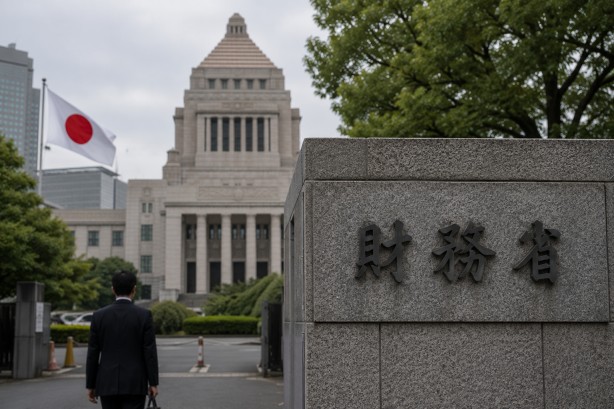
In a recent review of corporate tax incentives, Japan’s government has managed to identify only a single tax break for elimination out of the roughly 120 measures that were scrutinized by various ministries and agencies. This effort, which is part of a broader strategy to minimize inefficient governmental expenditures, was intended to free up resources for upcoming tax relief initiatives. Despite this intention, most agencies argued in favor of retaining their respective tax incentives, even those that are underutilized, by emphasizing their alignment with long-term policy objectives.
Finance Minister Satsuki Katayama expressed dissatisfaction with the preliminary outcomes, characterizing them as less than satisfactory. She committed to conducting a more in-depth analysis prior to the year-end negotiations. The tax incentives that were subjected to this review collectively represent about 1 trillion yen in tax reductions, highlighting the significance of the endeavor in terms of potential fiscal impact.
The review’s limited outcome underscores the complexities involved in reforming tax policies, especially when various stakeholders are invested in maintaining existing structures. Many ministries and government bodies presented defenses for their incentives, suggesting that these measures, despite their limited usage, play critical roles in achieving broader governmental goals.
As Japan looks for ways to bolster its fiscal resources, the government is particularly interested in generating additional revenue streams to support a planned temporary reduction in the country’s consumption tax on food. This initiative aims to alleviate the financial burden on consumers without resorting to increased government borrowing, thereby maintaining fiscal prudence while attempting to stimulate economic activity.