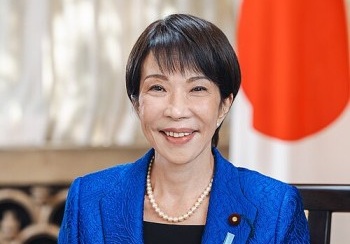
Prime Minister Sanae Takaichi has made a firm commitment to minimize the issuance of deficit-covering government bonds for a supplementary budget aimed at mitigating economic repercussions from the Middle East conflict. During a series of Diet debates on May 20, Takaichi emphasized the importance of safeguarding livelihoods and economic activities without resorting to excessive bond issuance. While the scale and specifics of the extra budget for fiscal 2026 remain undiscussed, the Prime Minister mentioned that supplementary funds from fiscal settlements and other resources would be accessible in the coming months.
Despite previously opposing the need for an extra budget, Takaichi instructed Finance Minister Satsuki Katayama last week to explore the possibility of a supplementary budget and other economic measures. This shift in stance came to light during a government-ruling coalition meeting on May 18. Opposition leader Junya Ogawa of the Centrist Reform Alliance criticized the timing of her decision, questioning whether economic measures were delayed. Takaichi dismissed such criticism, maintaining that her instructions were timely and consistent with her previous directives.
The Prime Minister’s explanations came under scrutiny, particularly during a debate with Democratic Party for the People leader Yuichiro Tamaki, where she claimed to have instructed officials to study the extra budget before the Golden Week holidays. This appeared contradictory to her earlier statement on May 11, when she suggested that a supplementary budget was not immediately necessary. Ogawa labeled her response as insincere, arguing that prior instructions would negate the need to rule out a budget on May 11.
In response to rising crude oil prices, the government has been providing significant subsidies to maintain gasoline prices at approximately 170 yen ($1.06) per liter. Tamaki proposed extending these subsidies within the supplementary budget while gradually increasing the threshold for their activation. Takaichi expressed a willingness to consider this proposal from a strategic perspective, indicating readiness to adjust subsidy levels appropriately.
Meanwhile, the ongoing closure of the Strait of Hormuz has prompted companies to anticipate naphtha supply shortages. Calbee Inc., a snack food manufacturer, announced on May 12 that it would alter the packaging color of 14 products, including its potato chips, due to unstable printing ink supplies derived from naphtha. Takaichi’s administration, however, maintains that naphtha supplies are ample overall, attributing distribution issues to supply-chain constraints. The government, led by Industry Minister Ryosei Akazawa, is committed to addressing these challenges. Additionally, Takaichi reiterated her intention to propose legislation eliminating the consumption tax on food items, contingent on an interim report from the national council on social security expected before summer.