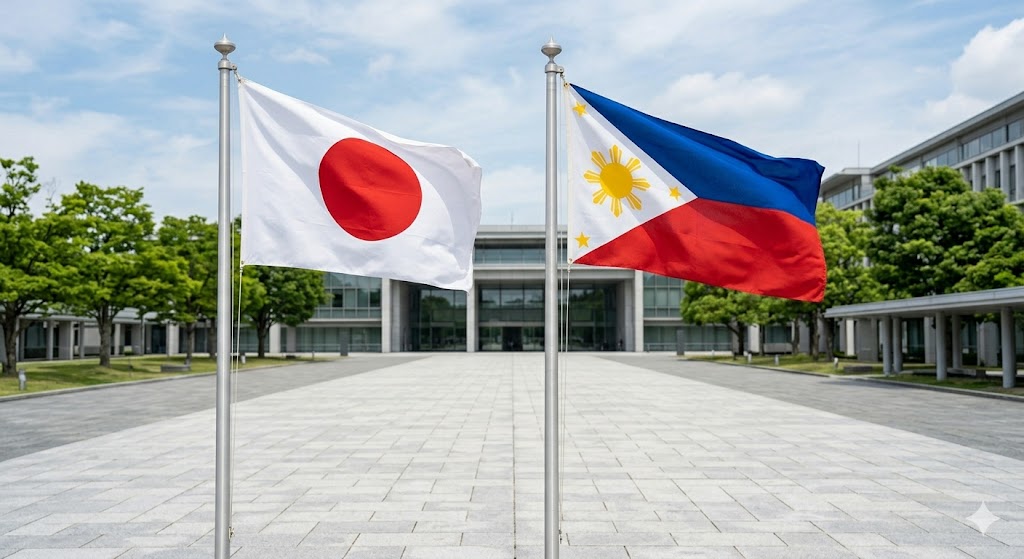
Taiwan has urged Japan and the Philippines to ensure that their ongoing discussions regarding maritime boundaries and Exclusive Economic Zones (EEZs) do not impinge upon Taiwan’s rights and interests in the surrounding waters. This call for consideration comes after Japan and the Philippines announced plans to negotiate the delineation of maritime boundaries and continental shelf claims in alignment with international law. Experts have pointed out that the proposed zones might overlap with areas currently claimed by Taiwan.
According to Taiwanese officials, both Japan and the Philippines have provided assurances that any future agreements will not be legally binding on third parties and will adhere to established international legal principles. Taiwan’s government has emphasized its commitment to continued engagement with both nations to protect its maritime interests, including fishing rights and resource access in the region. They have also highlighted that existing agreements with Japan and the Philippines remain valid and in effect.
This development occurs against a backdrop of heightened regional tensions, particularly following China’s assertion of claims over waters east of Taiwan and its subsequent coast guard patrols in the area. Taiwan has firmly rejected these claims, reiterating its stance on sovereignty and maritime jurisdiction. The situation underscores the complex geopolitical dynamics in the region, involving multiple stakeholders with overlapping interests.
Philippine officials have stated that formal negotiations have yet to commence, emphasizing that it is premature to predict the potential impact of any future agreements on fishing rights or territorial claims. The ongoing dialogue between these nations highlights the delicate balance required to address overlapping claims while respecting international legal frameworks.