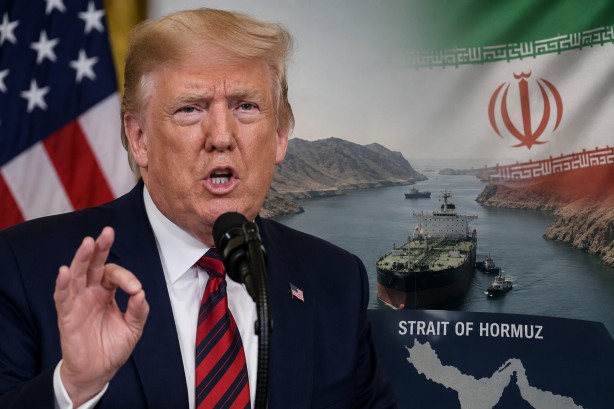
In a recent development, Iran has issued a stark warning to Gulf states, cautioning that any new military action by the United States against Iranian territory could lead to reprisals targeting critical energy infrastructure throughout the Gulf region. This warning comes as Iranian Foreign Minister Abbas Araqchi engaged in discussions with high-ranking officials from Saudi Arabia, Qatar, Turkey, and Pakistan. During these diplomatic talks, Iran urged its regional partners to dissuade Washington from pursuing further military actions, emphasizing that any attack on Iranian soil would trigger retaliatory strikes on U.S. assets and vital energy facilities across the area.
The warning from Iran aligns with the recent threats made by U.S. President Donald Trump to focus on Iran’s energy sector. Although Iran maintains that it favors diplomatic solutions, the country has made it clear that it stands ready to respond if provoked. In the wake of these tensions, Saudi Arabia has advocated for the United States to prioritize negotiations and avoid actions that could escalate into a broader conflict, while simultaneously affirming its own readiness to defend against any attacks on its territory.
Iran’s warning encompasses potential strikes on essential infrastructure, including oil facilities, refineries, power grids, water systems, transportation networks, and oil fields, should the U.S. proceed with another military strike. This stance underscores the growing apprehension that renewed hostilities could significantly disrupt energy supplies in the Gulf and heighten instability in the region. Such disruptions have the potential to impact global energy markets, causing widespread economic repercussions.
Amid these tensions, leaders from the region continue to advocate for diplomatic solutions to mitigate the risk of an expanded conflict. These efforts aim to safeguard the stability of energy supplies and prevent further destabilization in a region already fraught with geopolitical complexities. The focus remains on finding peaceful resolutions to ensure that regional and global economic interests are protected from the threat of escalating military engagements.