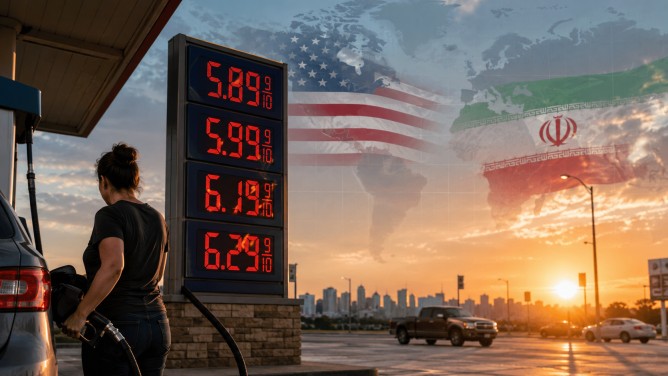
Gasoline prices in the United States have surged to unprecedented levels for the month of August, amid heightened tensions between the U.S. and Iran and continuing unrest in the Strait of Hormuz, a critical passageway for global oil transport. The national average price for gasoline has climbed to $4.06 per gallon, marking an increase of about 5 cents from the previous week and nearly $1 more than the same time last year. In states like California and Hawaii, the situation is even more severe, with prices soaring to approximately $5.50 per gallon.
The escalation in fuel costs follows ongoing conflict between the U.S. and Iran, exacerbated by disruptions in the Strait of Hormuz. This critical waterway is a strategic artery for oil shipments worldwide, and instability there has significantly impacted oil prices. At one point, Brent crude oil prices surged to $112 a barrel before retracting slightly; however, they remain substantially higher than last year’s figures.
Previously, gasoline prices had shown signs of relief due to temporary diplomatic agreements aimed at easing tensions between Washington and Tehran. Nevertheless, with negotiations now at an impasse and fears of a protracted conflict rising, fuel prices have once again started to climb. A recent increase coincided with the lapse of a 60-day negotiation window without a resolution to Iran’s nuclear program, further exacerbated by fresh threats from the Trump administration directed at Oman, stirring concerns of further regional escalation.
The burden of higher gasoline prices is being acutely felt by American households, already grappling with elevated costs of living. Over the past six months, consumers in the U.S. have spent billions more on fuel than they would have prior to the conflict, straining budgets and increasing economic pressure. If energy costs continue at this elevated level for a prolonged period, it could trigger renewed inflationary pressures, adding another layer of financial challenge for the nation.