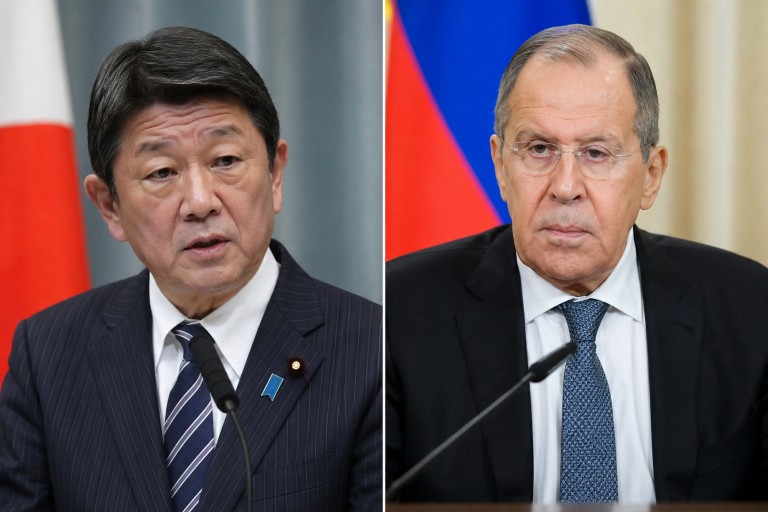
Japan’s diplomatic engagement with Russia has sparked concerns among some European nations, particularly as leaders prepare for the upcoming G7 summit. The differing views on how to handle relations with Moscow underscore a broader debate on diplomatic strategies amidst the ongoing conflict in Ukraine.
Recently, Japanese officials, including those from the foreign and trade ministries, joined representatives from major business sectors for meetings in Russia. These discussions centered on economic issues vital to Japanese companies with operations in the region. While some European countries worry that such interactions might undermine the collective Western strategy of isolating Russia through sanctions, Japanese authorities have defended their approach. They argue that open communication channels are crucial, even during times of diplomatic tension, to protect Japanese economic interests.
The balancing act Japan faces is evident as it aligns with G7 sanctions against Russia while simultaneously safeguarding its economic and energy interests. Within Japan, there are voices advocating for improved relations with Moscow, with a focus on securing long-term energy resources. However, Japan continues to demonstrate its support for Ukraine, recently announcing increased financial contributions to international efforts aiding the nation.
Despite their engagement with Russian officials, Japanese leaders clarify that no high-level political meetings are currently planned. Prime Minister Sanae Takaichi is expected to address these matters at the G7 summit, reiterating Japan’s commitment to Ukraine and responding to European concerns about Tokyo’s recent diplomatic activities with Russia.
This situation is closely monitored as G7 leaders aim to present a unified front against Russia while considering their individual economic and security priorities. Japan’s approach reflects the complex interplay between maintaining international alliances and addressing national interests.