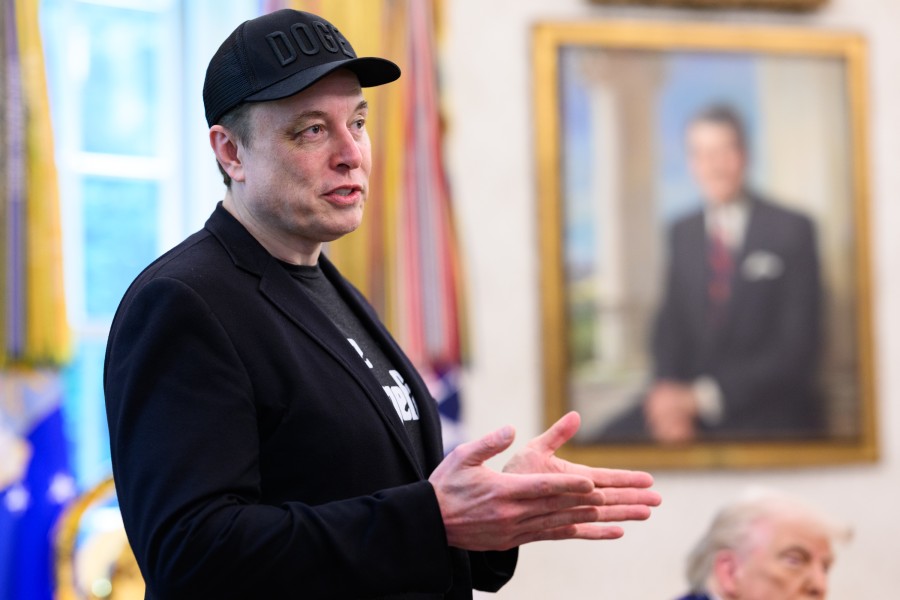
Elon Musk recently fell below the trillionaire status as the stock values of Tesla and SpaceX experienced declines, impacting his estimated wealth. Despite this drop, Musk continues to hold the title of the world’s richest person. His brief stint as the first trillionaire was fueled by SpaceX’s significant stock market debut, which dramatically boosted the value of his holdings and propelled his fortune past the trillion-dollar mark.
The initial surge in Musk’s wealth was largely attributed to SpaceX’s robust market performance, with much of his fortune tied to stakes in his businesses. However, a subsequent downturn in the broader technology market, particularly affecting sectors linked to artificial intelligence, has influenced the stock values of major companies, including those Musk is associated with. Factors such as concerns over interest rates, market instability, and fears of a slowdown in AI investments have all contributed to the decline in share prices.
Musk’s wealth is heavily dependent on the value of his company stocks and equity, making it susceptible to market fluctuations. Any recovery in the share prices of Tesla or SpaceX could potentially restore his net worth to the trillion-dollar level. This financial ebb and flow underscores the volatility inherent in having wealth primarily tied to the performance of publicly traded companies.
Despite the recent downturn, Musk’s financial standing remains significantly ahead of other billionaires. His wealth continues to be driven by the operational success and future growth potential of his companies. As market conditions evolve, the fortunes of Tesla, SpaceX, and other Musk-led ventures will play a crucial role in shaping his financial trajectory.