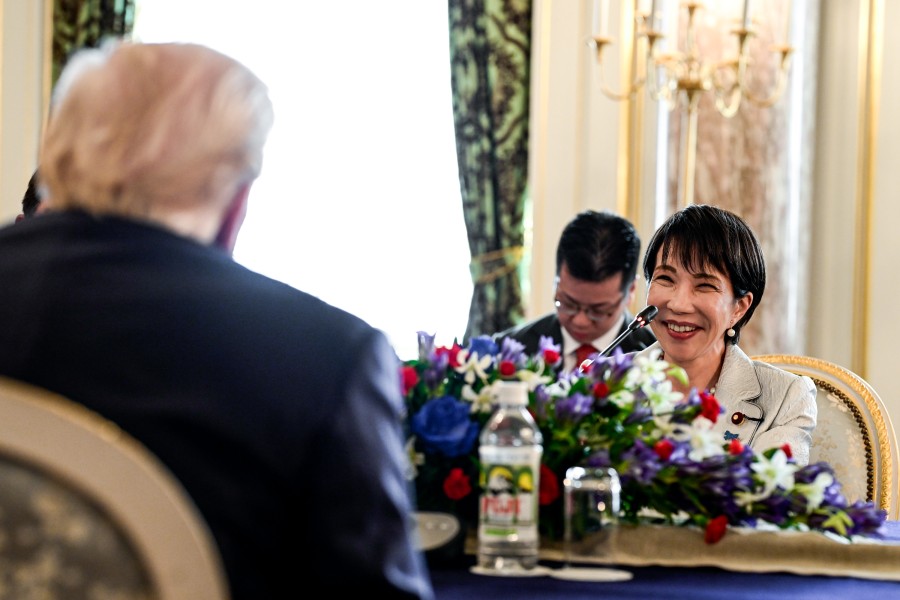
Japanese Prime Minister Sanae Takaichi made her first appearance at the G7 summit, using the opportunity to highlight Japan’s role as a dependable and stable ally. By focusing on diplomacy and international cooperation, she sought to advance Japan’s key national priorities. Instead of taking center stage in public discussions, Japan emphasized consensus-building and supported collective action on pressing global issues such as the conflicts in Ukraine and the Middle East, security in the Indo-Pacific region, supply chain resilience, and critical mineral resources.
The summit saw Japanese officials drawing connections between European developments and security challenges in Asia, with particular attention to regional stability and maritime security. Joint statements from the gathering underscored support for Ukraine, bolstered efforts to enhance economic security, and reaffirmed commitments to a free and open Indo-Pacific. This alignment highlights Japan’s strategic focus on linking global security dynamics with its regional interests.
In preparation for the summit, Prime Minister Takaichi engaged in bilateral discussions with leaders from the United Kingdom and Italy. These meetings underscored collaborative efforts in defense and next-generation technology projects. Such engagements reflect Japan’s ongoing commitment to strengthening ties with key partners and advancing shared technological and defense goals.
Observers noted that Japan’s influence at the summit stemmed from its quiet diplomacy and coalition-building efforts rather than seeking the spotlight through high-profile leadership. This approach has allowed Japan to maintain its reputation as a trusted partner within the G7, particularly amid a period marked by increasing geopolitical uncertainties. Japan’s consistent and pragmatic strategy continues to reinforce its standing on the international stage.