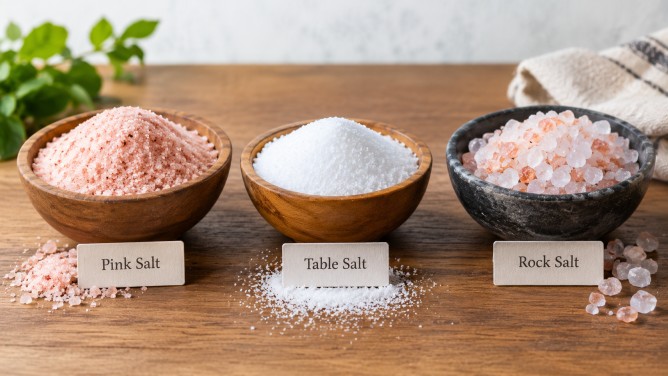
Choosing the right type of salt can have a significant impact on your iodine intake, an essential mineral for thyroid health. While pink Himalayan salt, rock salt, and table salt are common in many kitchens, they differ in their iodine content, which is crucial for hormone production and overall metabolism regulation.
Iodine is vital for the thyroid gland to produce hormones like thyroxine (T4) and triiodothyronine (T3), which regulate energy use, body temperature, and growth. During pregnancy and childhood, adequate iodine intake supports brain development and growth, making it a critical dietary component. Since the body cannot produce iodine, it must be obtained through food, with iodised salt being a practical source.
Regular table salt, when iodised, is generally a reliable choice for maintaining adequate iodine levels. However, not all table salt is iodised, so it’s important to check the packaging. Proper storage in a dry, covered container can help maintain its quality. While iodised salt supports iodine intake, it should be used in moderation due to the risks associated with excessive sodium consumption.
Pink Himalayan salt is popular for its color and natural appeal but is not a dependable source of iodine unless fortified and labeled as such. Its trace minerals do not replace a balanced diet and should not be considered a healthier option solely based on its natural appearance. Consumers who enjoy pink salt should ensure their diet includes other iodine sources.
Rock salt, often used in traditional Indian cooking, similarly lacks consistent iodine content unless specifically fortified. Relying solely on non-iodised rock salt may lead to insufficient iodine intake, especially if other dietary sources are limited. It’s crucial for users to verify if their rock salt has been fortified with iodine.
The recommended daily intake of iodine for adults is about 150 micrograms, with higher needs during pregnancy and breastfeeding. Besides iodised salt, iodine can be sourced from dairy products, eggs, seafood, and certain fortified foods. Those on vegetarian or vegan diets should carefully assess their iodine intake, potentially consulting healthcare professionals for guidance.
Ultimately, choosing salt should involve checking for iodisation if it’s intended as a primary iodine source. Proper storage and moderate use are advised, aligning with the World Health Organization’s recommendation of less than 5 grams of salt per day. Maintaining a balanced diet and considering diverse iodine sources supports thyroid health and overall wellbeing.